


O-Flight Stories
O-Flight Sorties: From Planning to Takeoff and Everything in Between
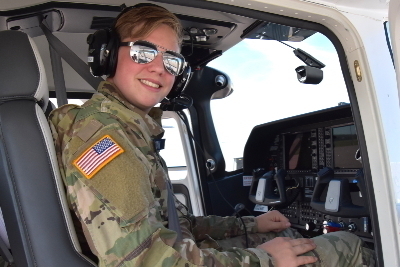
The Cadet Orientation Flight (O-Ride) program is designed to introduce CAP cadets to aviation through hands-on flights in powered aircraft. SDWG has been working hard this summer to make sure every cadet gets their first o-ride within the first few months of joining, to introduce them to aviation. “O-Ride” may sound simple, but a successful orientation flight takes a lot of planning behind the scenes. From coordinating with the squadron and preparing the aircraft to briefing cadets and completing the paperwork afterward, there are quite a few steps involved before anyone ever leaves the ground.
The good news, with a little planning, the process can run smoothly, and most importantly, cadets get an exciting and safe introduction to aviation. SDWG pilot Capt. Kurt Johnson states “When you breakdown the different mission types, they all take on a similar flow. It seems like a lot and perhaps a bit overwhelming to newcomers to CAP Flight Operations. But, work flow and the items contained within it are there for very good reason and provide for ongoing sustainability of CAP Missions and our collective readiness to carry them out. Our Wing is very fortunate to have outstanding Air Force assets at our disposal being meticulously maintained by other CAP volunteers just like you!
About a Week Before the Flight
O-Flight planning should begin with coordination between the pilot and the applicable Squadron Commander. Ideally, this happens about a week before the planned flight.
Start by confirming aircraft availability with the Aircraft Maintenance Officer (AMO). You will also need the names and CAP IDs of the cadets flying and which O-Flight they are completing.
When scheduling the flights, try to organize at least two sets of two cadets when possible. This makes better use of the aircraft and pilot's time while giving cadets an opportunity to share the experience.
Select an easily accessible meeting location where cadets can be briefed if they do not have airport/AOA access. Make sure cadets know where and when to meet.
This is also the time to remind cadets about some basics. A large meal immediately before flying is not recommended, and cadets should avoid excessive caffeine and energy drinks before the flight. Nobody wants their first aviation experience to be memorable for the wrong reason!
And finally, have fun. Take pictures when you are not the one flying, capture the cadets' excitement, and enjoy the opportunity to introduce someone to aviation.
Pilot Planning: One or Two Days Before
As the flight gets closer, the pilot should review the latest weather forecast and begin planning the sortie.
Consider selecting a remote landing location such as Mitchell, Brookings, or another appropriate airport. A short break and a change of seats can give cadets a different perspective and make the experience even more valuable.
Complete the required WMIRS (a web-based platform used to manage and report mission activities) entries for the sorties and coordinate with a Flight Release Officer (FRO).
Good preparation at this stage can prevent a lot of scrambling on flight day.
Flight Day
Before heading out, review the current weather conditions and complete a thorough preflight inspection of the aircraft.
Obtain the required flight release from the FRO and, if applicable, stage the aircraft on the flight line.
If the flight is part of a larger event or has media opportunities, coordinate with the Public Affairs Officer (PAO).
Before boarding, brief the cadets on the day's flight, review key safety items, and provide a walkaround of the aircraft. This is a great opportunity to explain what the various parts of the aircraft do and get cadets involved before they even climb aboard.
Time to Fly
Once everyone is aboard, make sure all occupants are properly secured and seat belts are fastened.
Review crew roles and reinforce Crew Resource Management (CRM) concepts or the training objectives for the flight. Even during an orientation flight, cadets can learn about cockpit communication, situational awareness, and teamwork.
Advise the FRO that the engine is being started, run the checklist, and start the engine.
Then comes the avionics, flight plan, taxi clearance, departure clearance, and finally, TAKEOFF!
Complete the planned flight and mission objectives while giving the cadets an enjoyable and educational aviation experience.
Returning to the Airport
After completing the flight, land and safely shut down the aircraft. Notify the FRO of engine shutdown.
Help the cadets exit the aircraft safely and escort them back to the FBO or appropriate location.
Then take a few minutes to debrief the cadets. Ask what they enjoyed, explain what went well, and provide any additional comments or instruction. Answer their questions and give them an opportunity to talk about what they experienced.
Depending on the sortie schedule, you can then return the aircraft to the hangar or get ready for the next group of cadets.
Back at the Hangar
The work isn't finished when the engine stops.
Complete the post-flight inspection, including checking the remaining fuel. Refuel the aircraft as required and clean the aircraft before securing it in the hangar.
Make sure the aircraft is properly secured, including control locks, chocks, pitot and nose plug covers.
Complete the flight log in the binder, secure the hangar if the FBO does not do so, and take care of payment for fuel at the FBO.
These may seem like small details, but proper aircraft care and documentation are an important part of every sortie.
After the Mission
Once everything is back in place, complete the administrative side of the mission.
Close out WMIRS, upload the fuel receipt and any required mission files, and advise the appropriate personnel of the mission outcome.
Then comes perhaps the most important step of all:
Rest well after a successful mission.
An O-Flight may only last a short time in the air, but there is considerable coordination and preparation behind those few minutes. When everyone does their part, the result is a safe, organized, and memorable experience that can inspire a cadet to pursue aviation long after the aircraft is back in the hangar.
And that's what O-Flights are all about, getting cadets safely into the air, giving them a taste of aviation, and hopefully creating the next generation of pilots.


